Offset and SAF
Every flight hour is carbon offset at 300% as standard, and we fly on Sustainable Aviation Fuel as mandated by law, a share that increases each year.
Its single engine turboprop design burns two to three times less fuel than comparable jets, a major cut in CO2. It’s the honest starting point for flying more responsibly, without pretending the challenge is already solved.
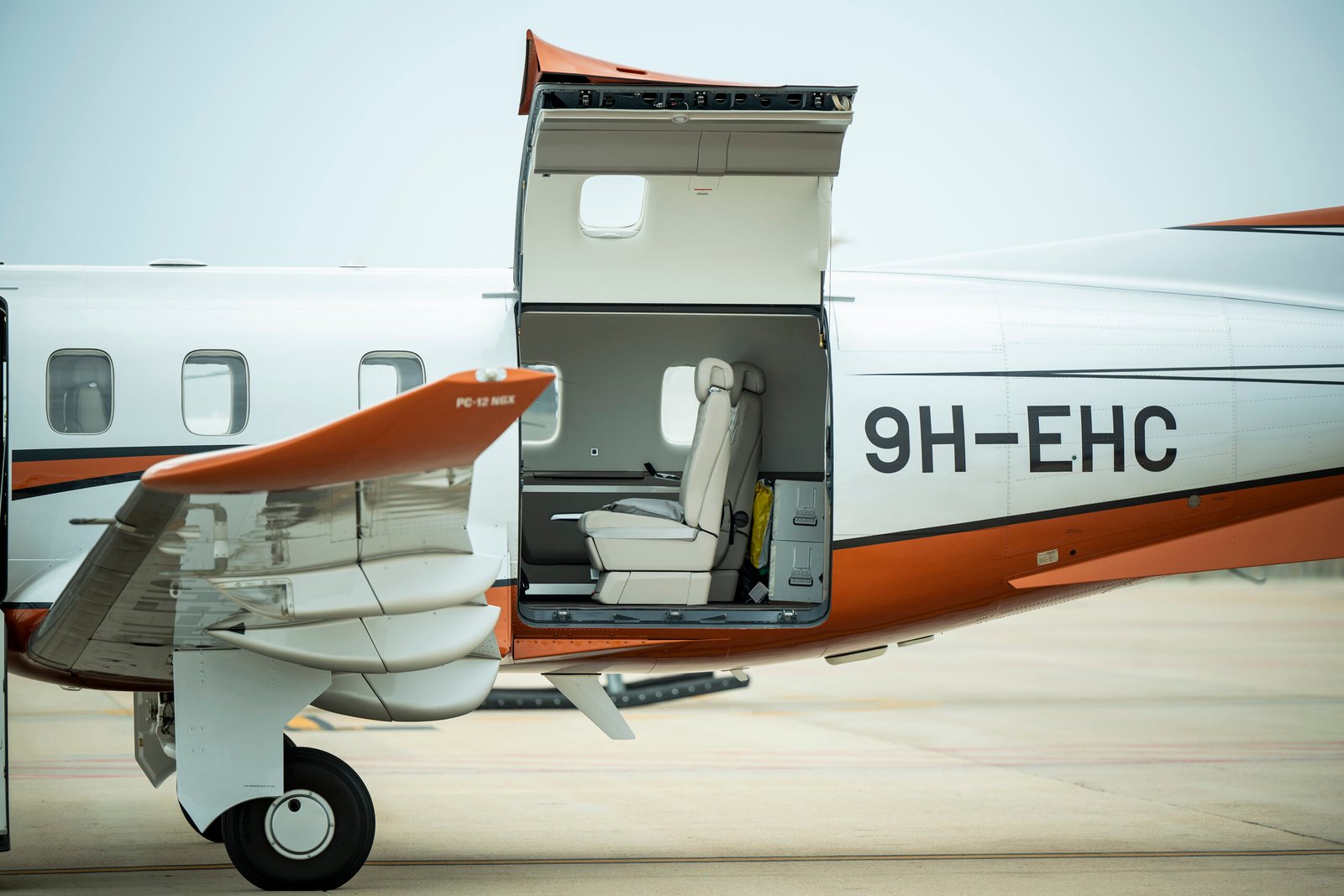
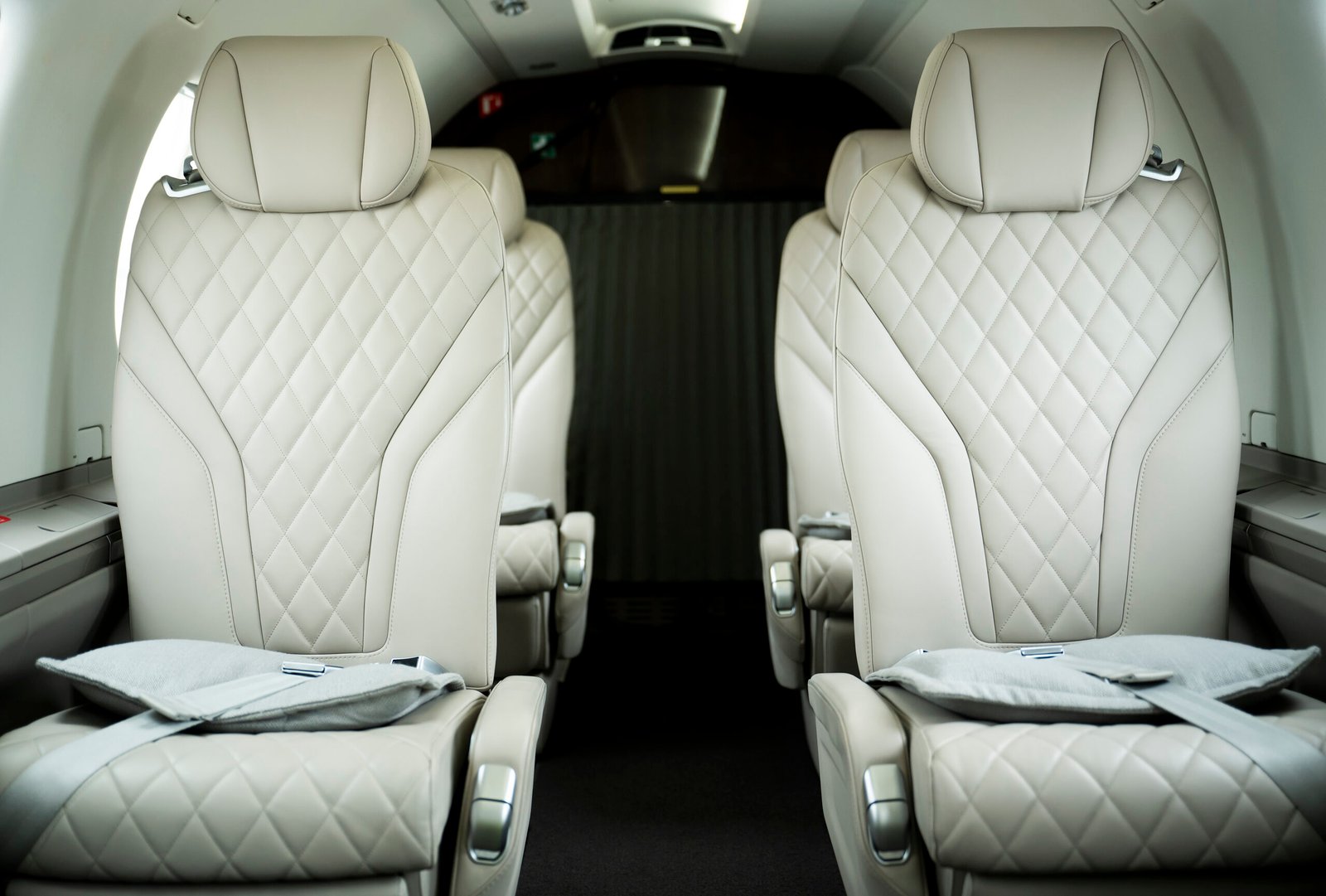
The PC-12’s single engine turboprop platform uses a fraction of the fuel of a comparable jet for the same journey. Efficiency isn’t an add on, it’s the reason the aircraft exists in its class.
Reaching smaller, closer airfields also means shorter ground transfers at either end, cutting the emissions that don’t show up on the flight log.
Every flight hour is carbon offset at 300% as standard, and we fly on Sustainable Aviation Fuel as mandated by law, a share that increases each year.
Pilatus part owns Synhelion, which produces synthetic fuel from only carbon, hydrogen and oxygen drawn from the air, using solar heat as the catalyst. It’s where aviation fuel is heading, and the aircraft we fly is part of that path.
The PC-12's single engine turboprop design burns two to three times less fuel than comparable jets, around 260 litres per hour versus roughly 2,000 for a comparable jet. That's up to one eighth the fuel consumption for the same mission, which is why it has the lowest carbon footprint per passenger of any business aircraft in its class.
As standard, every Hans Jet flight hour is offset at three times its calculated carbon output, not one for one, but 300%. Members can also choose to offset their individual footprint for each flight on top of this. Offsetting isn't a complete answer to aviation's emissions, but combined with the aircraft's efficiency it meaningfully reduces net impact today.
Oui. Nous utilisons du carburant aviation durable conformément à la loi, ce pourcentage augmentant chaque année. Le SAF réduit les émissions de carbone sur son cycle de vie par rapport au kérosène conventionnel, et l'augmentation des exigences de mélange signifie que les vols de chaque année sont plus propres que ceux de la précédente.
Pilatus part owns Synhelion, a company producing synthetic fuel using only carbon, hydrogen and oxygen drawn from the air, with solar heat as the catalyst, widely seen as the future of aviation fuel. As that technology scales, aircraft like the PC-12 are positioned to fly on genuinely low carbon fuel rather than relying on offsetting alone.
Tell us where you’re headed and our team will take care of the rest.